November 17, 2026
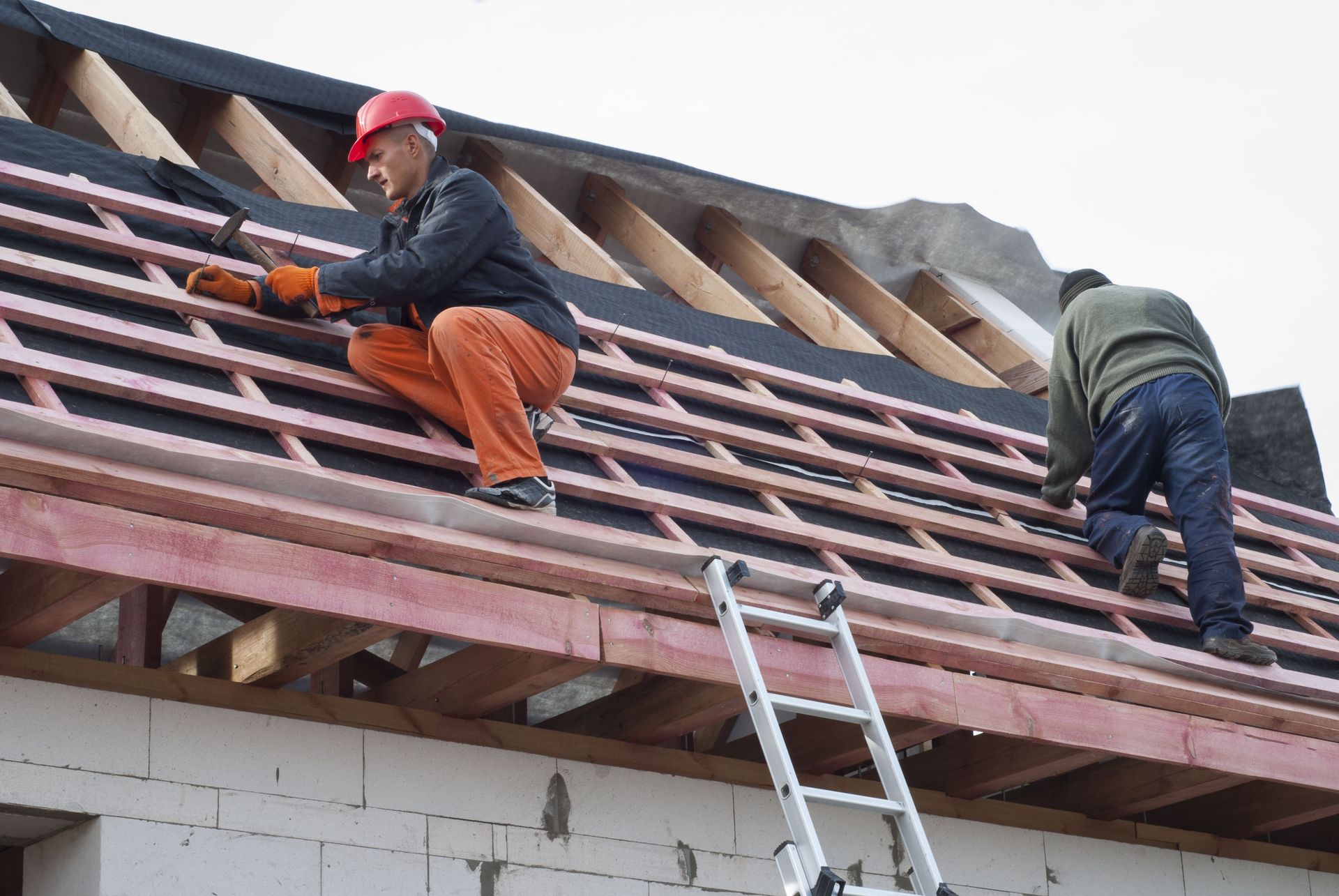
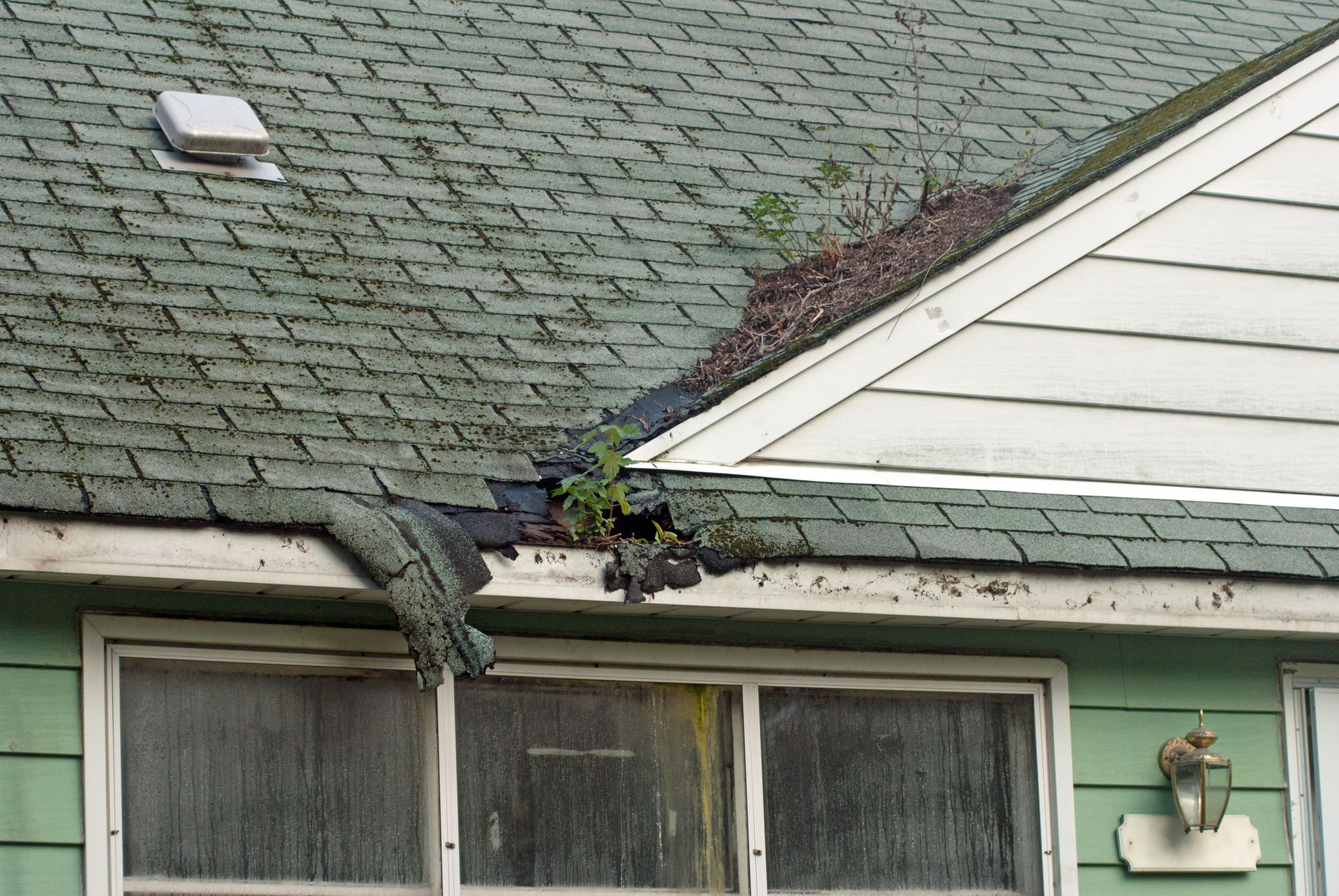
A damaged roof presents a difficult decision. A few missing shingles may call for a straightforward repair, while repeated leaks or deteriorating materials could signal a larger problem. Before committing to major work, comparing written repair estimates helps you understand the roof's condition and decide whether a targeted fix or replacement makes more sense. The goal is not simply to locate the lowest price. It is finding a practical solution that protects your home without unnecessary work. Careful comparisons also help you approach roof installation with realistic expectations about scope, timing, and long-term performance.
Understand What Each Estimate Actually Covers
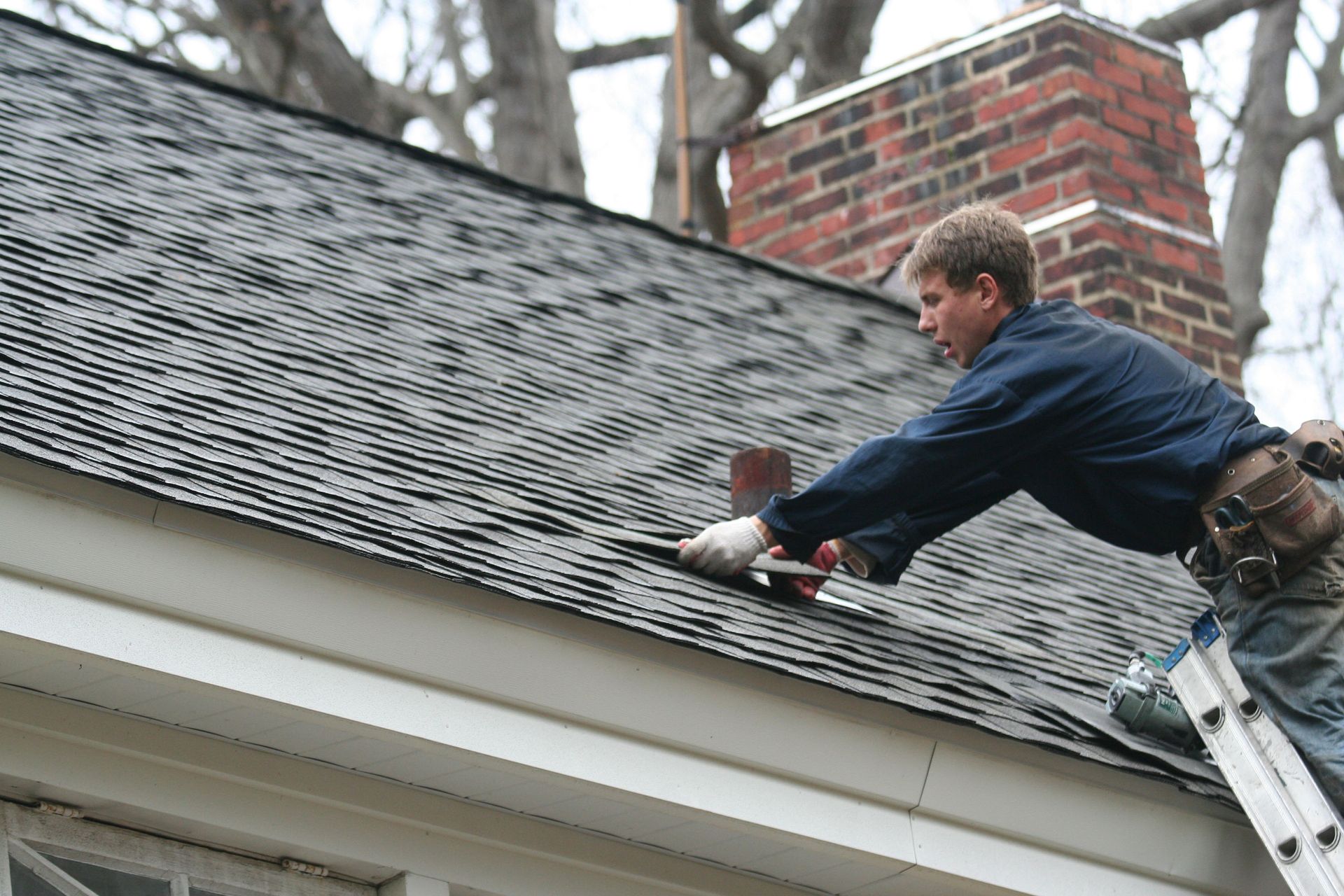
Two contractors can inspect the same roof and recommend different solutions. One might propose replacing damaged shingles and flashing, while another identifies moisture damage beneath the surface. Those recommendations are not automatically contradictory. They may reflect different inspection methods, assumptions, or findings that need clarification.
Ask for an itemized description of the proposed work. It should identify affected areas, materials to be removed or replaced, labor, disposal, and any related repairs. Check whether the estimate addresses the cause of a leak rather than only the visible stain or damaged shingle. If important details are missing, request a revised written proposal before signing anything.
Photographs can make the scope easier to understand, especially when damage is difficult to see from the ground. Ask each contractor to identify problem areas in the pictures and describe which findings support the proposed work. Keep those images with your estimates.
Clear documentation makes comparisons meaningful. Without it, a lower bid may appear appealing even though it leaves out work that another contractor considers essential. For a possible roof installation, thorough estimates also provide a baseline for discussing what the project should accomplish.
Compare Repair Costs With the Roof's Remaining Life
The age and overall condition of your roof influence whether repairs offer lasting value. Localized damage on a relatively young roof may be worth fixing, especially when the surrounding materials remain sound. An older roof with frequent leaks, widespread shingle deterioration, or damaged decking presents a different calculation.
According to Today's Homeowner, roof replacement may be the better decision when repair costs exceed $3,000. That figure is a useful prompt to compare options, not a universal cutoff. Roof size, materials, climate, the extent of damage, and local labor conditions all affect which option is sensible. A substantial repair on a large, otherwise healthy roof can still be reasonable, while repeated smaller repairs may point toward replacement.
Think about the roof's repair history, too. One isolated leak after a storm tells a different story from recurring moisture problems in several rooms. Gather invoices or inspection notes from previous work so contractors can consider what has already been done.
Ask contractors to explain how long a proposed repair is likely to remain effective and whether other areas may soon need attention. A side-by-side comparison of repair and roof installation estimates can reveal the stronger long-term choice.
Look Beyond the Lowest Bid
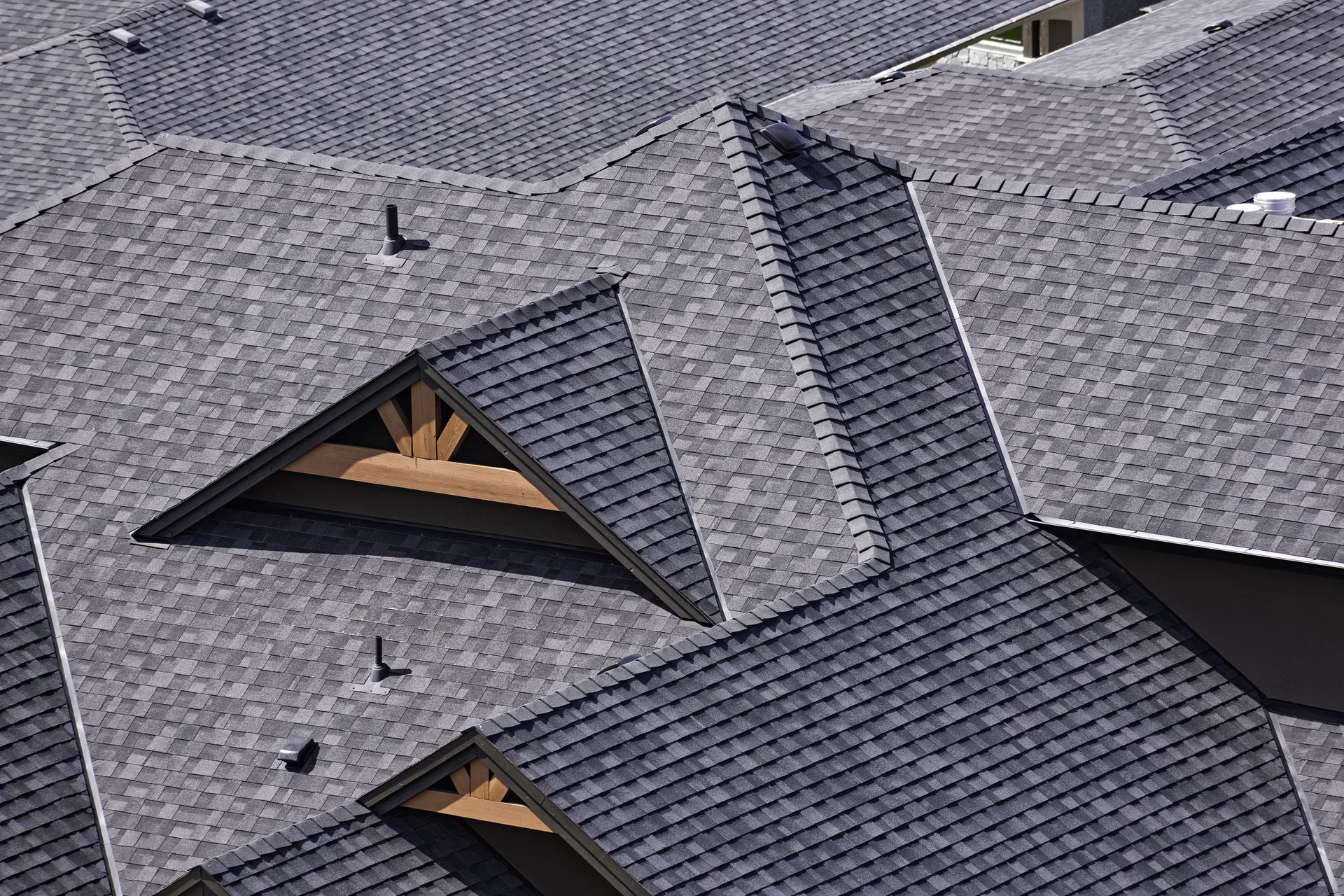
A low estimate is not necessarily a poor one, but price alone cannot tell you what you will receive. Compare the specified roofing materials, underlayment, flashing, ventilation components, and other items relevant to the job. Verify whether the proposed materials are suitable for the home's roof slope and the local weather conditions.
Also consider workmanship and communication. Contractors should be able to describe their inspection findings, answer questions clearly, and explain changes to the original scope. Ask for references from comparable projects and check applicable licensing and insurance requirements. A professional should not pressure you to approve work before you understand it.
When reviewing estimates for roof installation, look for consistency between the written scope and the contractor's explanation. If one proposal is dramatically cheaper, ask what it excludes instead of assuming the difference represents savings. The answers may help you avoid surprises once construction begins.
Clarify Permits, Repairs, and Hidden Conditions
Roofing requirements differ by community and by the type of work involved. Some repairs may not require permits, while substantial replacement projects may require approval or inspections. Ask each contractor who will determine permit requirements, obtain necessary approvals, and account for associated fees. Do not assume the least expensive proposal includes those responsibilities.
Hidden damage deserves attention as well. A roof may look serviceable from outside even when prolonged moisture exposure has weakened portions of the decking. Contractors cannot always determine the full extent until existing materials are removed. Written estimates should explain how unexpected findings will be documented, priced, and approved.
This distinction matters when comparing repair proposals with roof installation plans. If replacement becomes necessary, you should know how additional repairs will be handled and which choices need authorization. Clear terms reduce confusion without suggesting that every project will uncover a problem.
Review Scheduling and Weather Contingencies
Timing matters when a roof is leaking or exposed to approaching storms. Ask when work could begin, how long it is expected to take, and what might change that schedule. The number of workers, project complexity, material availability, and weather conditions can all affect completion dates.
A reliable proposal should address protection for the home if rain interrupts work. You can also ask about cleanup, disposal of old roofing materials, and how access to driveways or entrances will be managed. These practical details may not change the roofing system itself, but they influence the experience of living through the project.
For larger roof installation projects, compare realistic schedules rather than choosing the fastest promise. A contractor who explains possible delays and protection measures may provide more useful information than one offering a fixed date without discussing conditions.
Examine Warranties and Payment Terms
Materials and workmanship may have different warranties, and the details matter. A manufacturer's warranty generally concerns eligible material defects, while a contractor's workmanship warranty addresses specified installation issues. Ask what each warranty covers, how long it lasts, whether it is transferable, and what actions could affect coverage.
Payment arrangements should also be clear. Review the deposit, progress payments, final payment conditions, and any process for authorizing additional work. Keep copies of proposals, change orders, warranties, and payment records. If financing is discussed, examine the full agreement rather than focusing only on a monthly payment.
For storm-related damage, review your insurance policy and contact your insurer about its claim procedures before assuming any work will be covered. Coverage and deductibles vary, and a contractor's estimate is not a guarantee of reimbursement. Separate insurance questions from the quality of the proposed repairs.
A thorough roof installation estimate should make these obligations understandable before work begins. Comparing terms alongside price helps distinguish a complete proposal from one that postpones essential details until after you have committed.
Choose a Plan That Fits Your Home
The best choice depends on the roof's condition, the quality of the proposed work, and your priorities. A repair may address isolated damage effectively; replacement may make more sense when problems are widespread or the existing roof is near the end of its service life. No single dollar amount or age threshold can make that decision for every property.
Collect detailed estimates, ask about differences, and give yourself time to evaluate the answers. Quality Construction & Roofing can help you review roofing concerns and discuss whether repairs or
roof installation align with your home's needs. An informed decision starts with understanding the work, not simply accepting the first number you receive.