November 4, 2026
Asphalt shingles are a familiar sight in neighborhoods across the country, but two roofs made from similar materials may age at very different rates. According to HomeService USA, asphalt shingle roofs are found on around 80% of homes in the United States. Their popularity makes it especially useful to understand what influences their performance after the contractor leaves. No single lifespan applies to every home, even with similar shingles.
A shingle's expected service life is not a promise that it will remain problem-free for a set number of years. Material selection, workmanship, weather, roof design, and maintenance all matter. Whether homeowners are evaluating an aging roof or planning a roof installation, these six factors can help them ask better questions and recognize issues before they become more serious.
1. Choosing the Right Shingle Materials
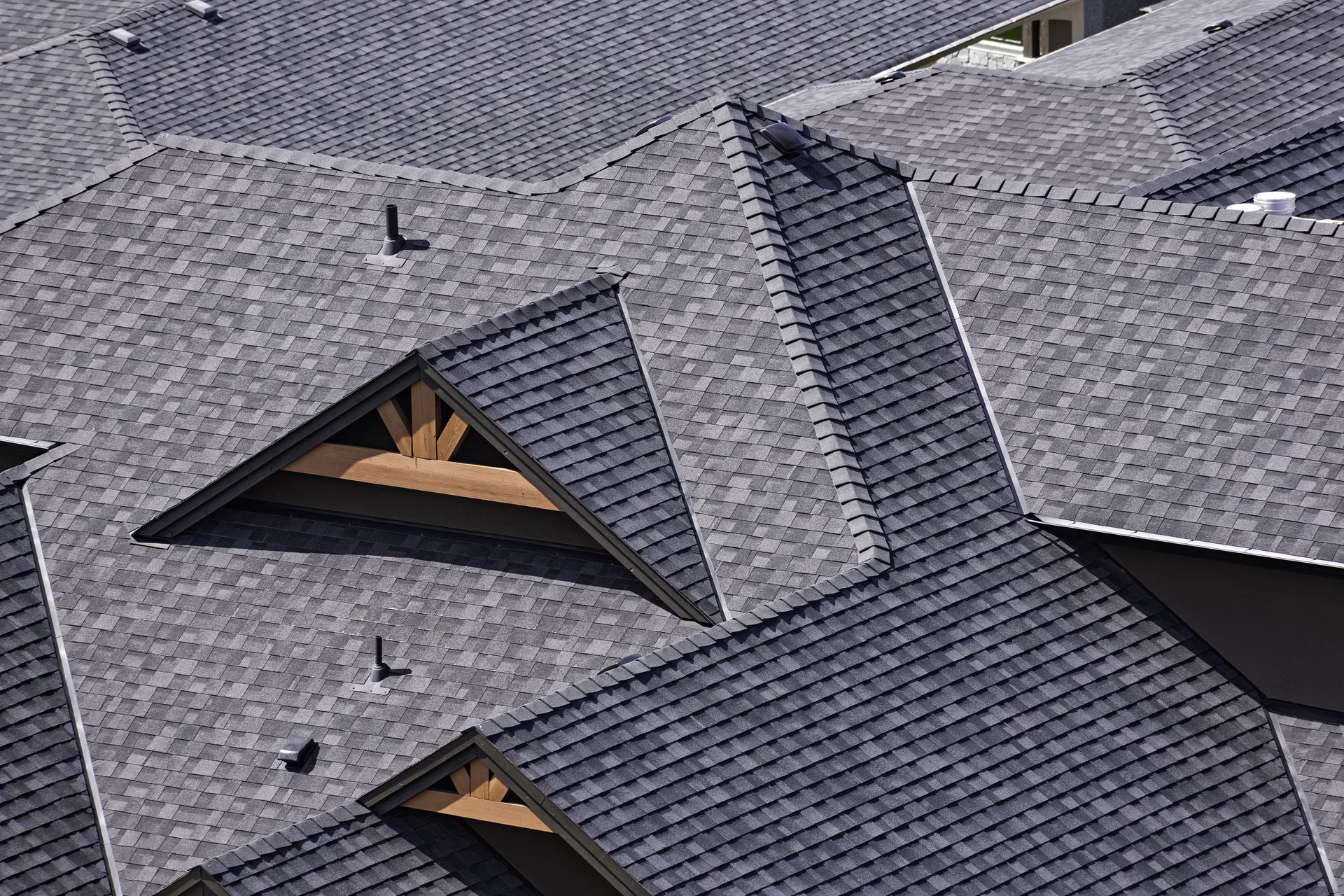
Not all asphalt shingles are built the same way. Traditional three-tab shingles have a flatter appearance, while architectural shingles use a layered construction that creates a more dimensional look. Premium products may imitate slate or wood shakes. Different products also carry different wind ratings, impact-resistance classifications, and manufacturer requirements, so appearance alone should not determine the choice.
The protective granules embedded in the surface help shield asphalt from sunlight. Some granule loss is normal as a roof ages, but widespread bare patches can signal deterioration that deserves attention. Algae-resistant products may also be useful in areas where dark staining is common, although algae resistance is not the same as protection from every moisture problem.
During a roof installation, homeowners should compare product specifications and consider local conditions rather than assume the thickest or most expensive shingle will automatically last longest. A contractor can explain suitable options, including how the chosen materials must be installed to meet the manufacturer's instructions. Compare tested ratings and documented specifications, not just appearance.
2. Following Proper Installation Practices
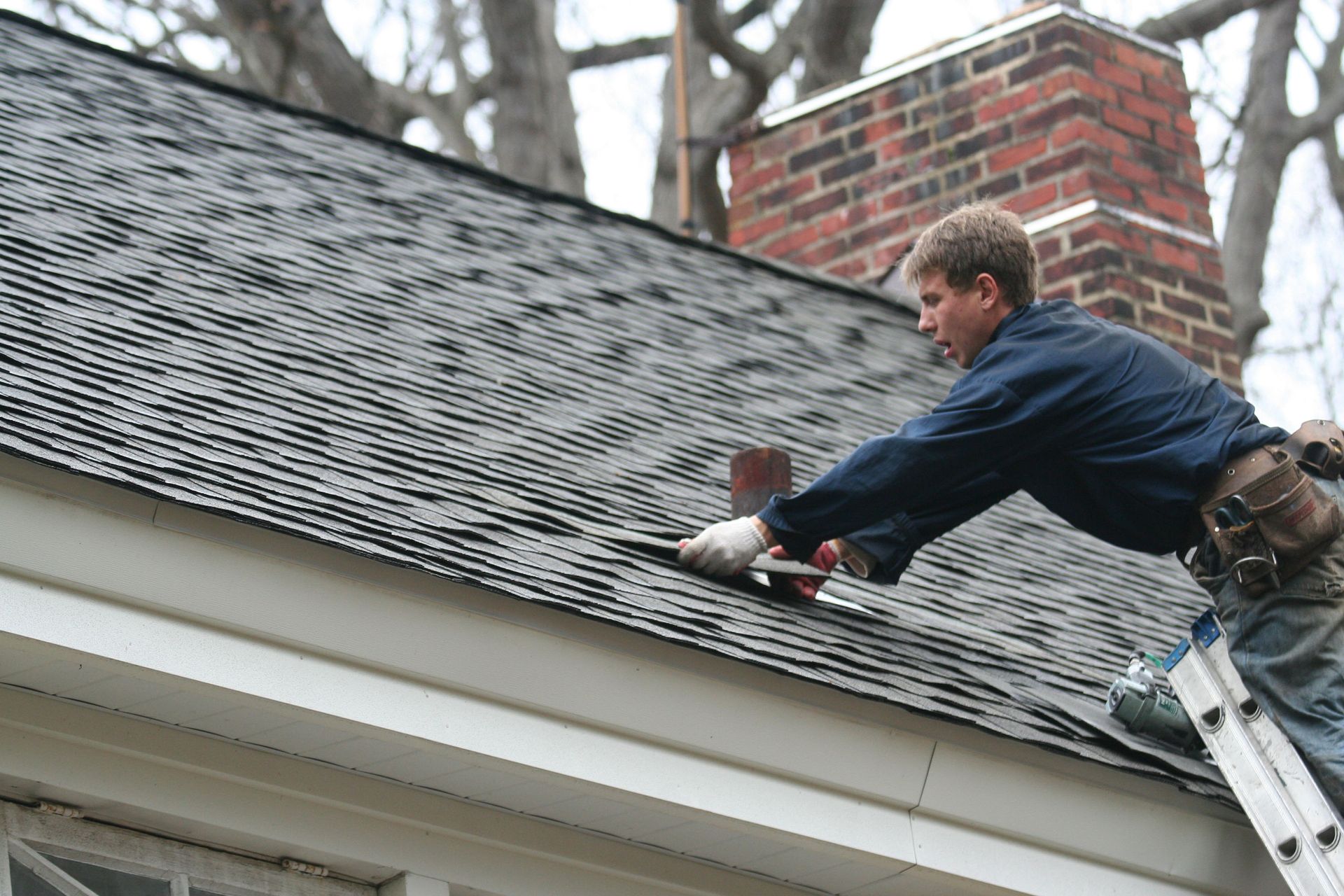
Even a well-made shingle can perform poorly when it is installed incorrectly. Fasteners must be placed in the locations and quantities specified for the product and local conditions. Nails that are too high, underdriven, or driven through the wrong part of a shingle can weaken its attachment, increasing the chance of wind damage. Correct alignment and sealing matter, too.
Roofing materials also work as a system. Underlayment provides additional protection beneath the shingles, while flashing directs water away from vulnerable transitions around chimneys, skylights, walls, and roof valleys. Missing or poorly fitted flashing can allow leaks even when the surrounding shingles look sound.
Attic ventilation and insulation deserve attention because excessive heat and trapped moisture can affect the roof assembly. Proper roof installation should follow the manufacturer's instructions, applicable building codes, and the home's specific design. Homeowners can ask contractors how these details will be handled and what documentation they will receive when the work is finished. Ask how damaged decking will be assessed during the project.
3. Accounting for Local Weather Conditions
Sun, wind, rain, hail, and changing temperatures all contribute to roof wear. Prolonged ultraviolet exposure can age asphalt materials, while strong winds may loosen shingles or damage exposed edges. Hail can dislodge protective granules or damage a shingle's structure, depending on the storm and the product involved. No asphalt shingle is completely resistant to extreme weather.
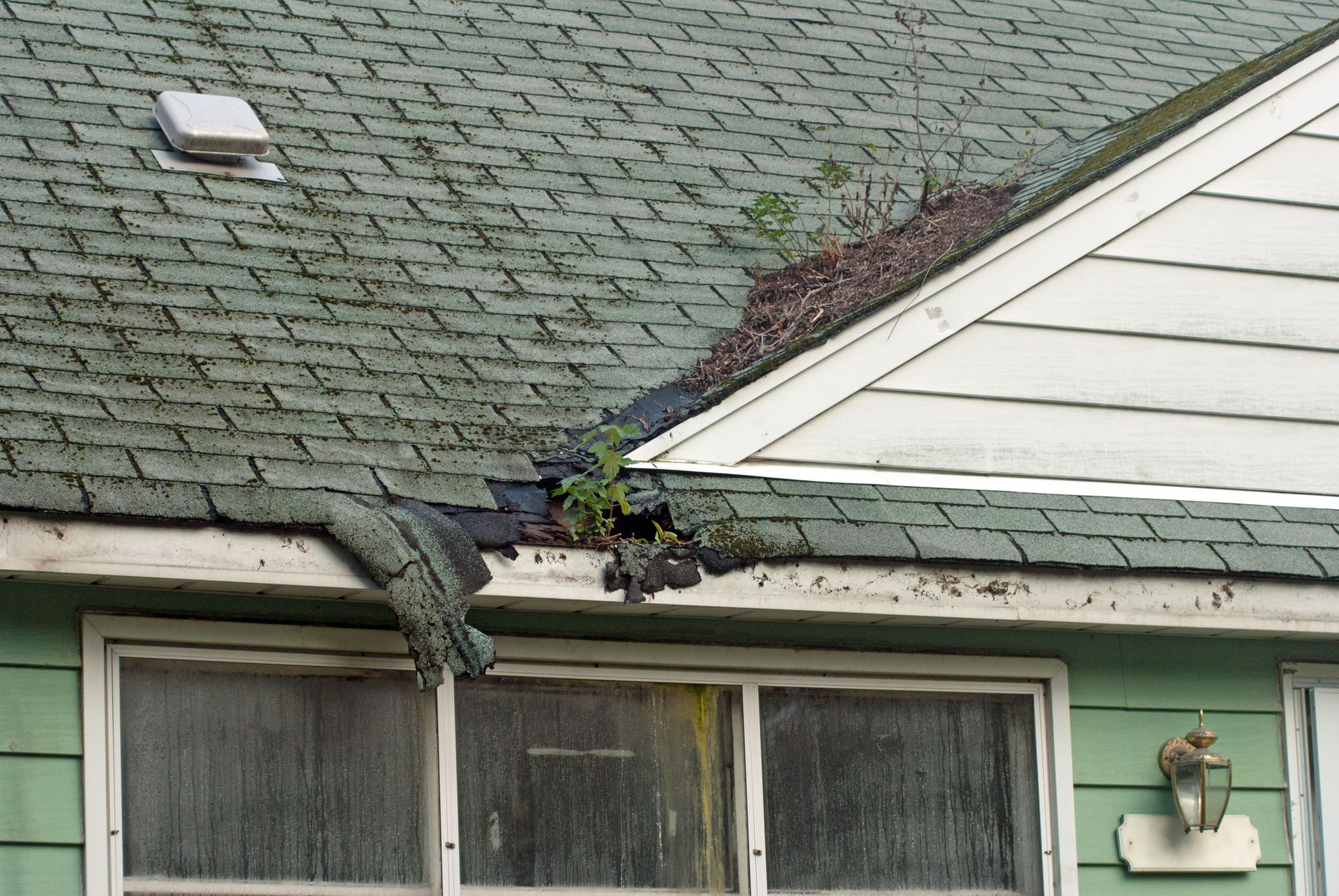
Moisture creates its own challenges. Repeated wet conditions can encourage algae or moss growth in some climates, and ice dams can force water beneath roofing materials during cold winters. The underlying problem may involve drainage, insulation, ventilation, or a combination of factors rather than the shingle alone.
When planning roof installation, ask which products are rated for local wind and weather exposure. After severe storms, look for obvious damage from the ground and arrange a professional assessment if shingles appear missing, displaced, or damaged. Avoid climbing onto the roof to investigate. Some storm damage is difficult to recognize without a professional inspection.
4. Keeping Up With Routine Maintenance
A roof does not need constant attention, but ignoring small problems can allow water damage to spread. From a safe location, homeowners can watch for missing shingles, damaged flashing, unusual granule buildup near downspouts, or stains on interior ceilings. Not every stain indicates a roof leak, but changes deserve investigation before repairs become more extensive. Keep dated notes about visible changes to share during inspections.
Gutters and downspouts should drain properly. Leaves and other debris can obstruct water flow, and in cold regions that obstruction may contribute to conditions that promote ice dams. Overhanging branches can scrape roofing surfaces or fall during storms. When tree work is needed, use appropriate professionals rather than attempting risky trimming above the house.
Avoid aggressive pressure washing or walking on shingles to remove discoloration. Cleaning methods should follow the shingle manufacturer's guidance, and roof work is generally best left to trained professionals. Thoughtful maintenance helps protect the investment made during roof installation, although it cannot reverse ordinary material aging or make a worn-out roof new again.
5. Considering Roof Shape and Drainage
The home's architecture influences how water moves across the roof. Steeper slopes generally shed rain more quickly, while low-slope areas may require different materials or additional installation measures. Asphalt shingles are not appropriate for every roof pitch, so the contractor should verify that the selected product is approved for the particular slope.
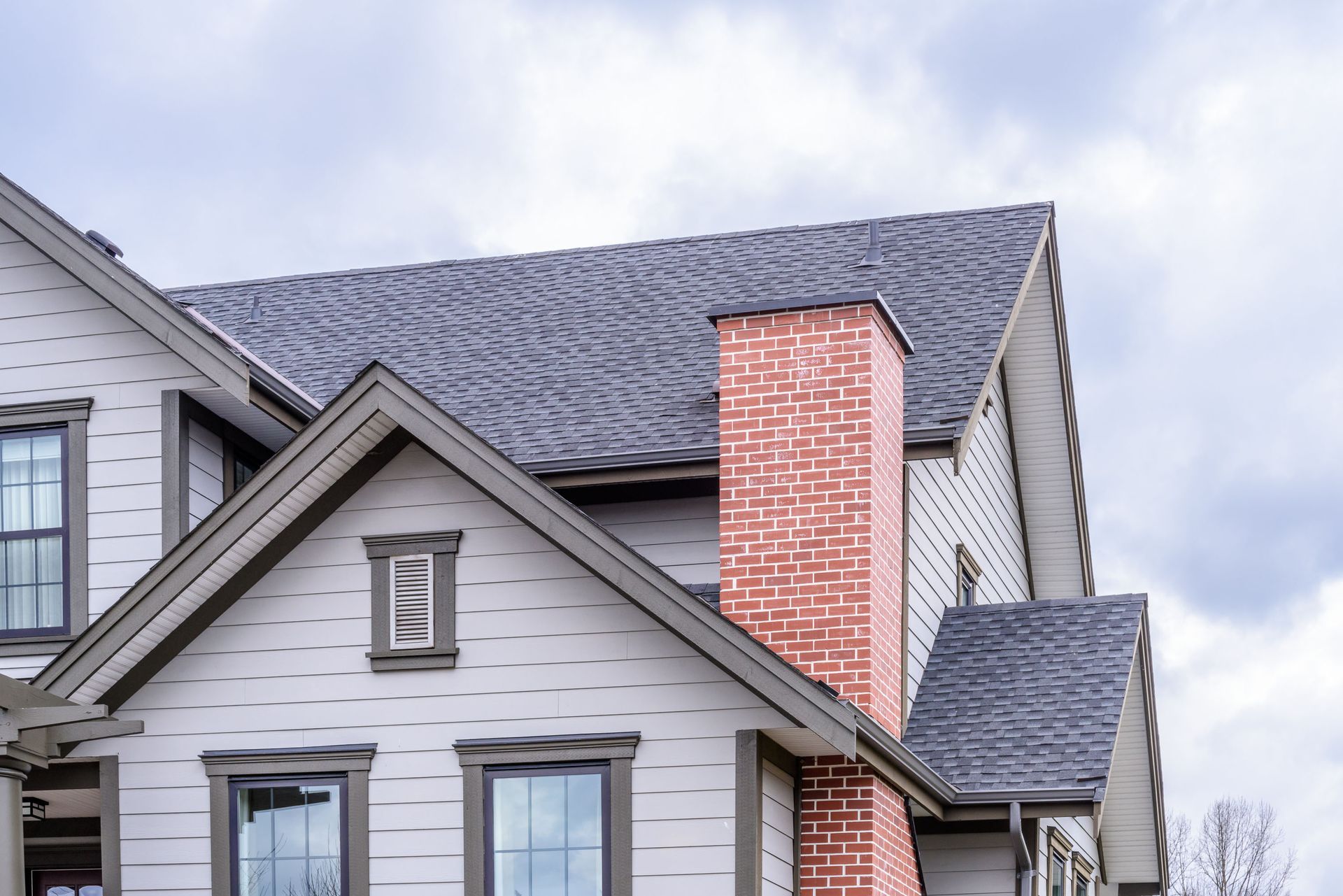
Valleys, dormers, skylights, and chimneys create junctions where careful flashing and water management are especially important. A complex roof is not automatically less durable than a simple one, but it contains more details that must be built and maintained correctly. Blocked gutters and poorly directed runoff can place extra stress on those vulnerable locations. Proper drainage should also carry water away from exterior walls.
Before roof installation, homeowners should ask how valleys, penetrations, ventilation openings, and drainage paths will be addressed. These details may be less visible than shingle color or style, but they play an important role in keeping the roof assembly dry throughout its service life.
6. Making Informed Decisions Over Time
Roof lifespan is also affected by what happens after the initial work. Satellite dishes, solar equipment, and other rooftop additions introduce attachment points that must be flashed and sealed properly. Unnecessary foot traffic can damage shingles, especially in extreme temperatures. Homeowners should discuss rooftop changes with qualified installers and consider how the work may affect existing warranties.
Documentation helps with future decisions. Keep product information, installation records, inspection findings, and repair invoices in one place. A manufacturer's warranty may cover certain defects, but it is not a guarantee of how long the entire roof will last, and exclusions or installation conditions may apply. Read the actual warranty terms rather than relying on a headline duration.
When repairs become frequent or damage appears widespread, ask a roofing professional whether another repair or a new
roof installation makes more sense for the home's condition and budget. A detailed inspection can identify the source of a problem instead of treating every visible symptom as proof that all the shingles need replacing. An isolated leak may need a repair rather than an entire replacement.
Asphalt shingle longevity depends on the interaction of materials, workmanship, exposure, design, and ongoing care. Paying attention to each factor helps homeowners make practical decisions without expecting any roof to last indefinitely. Quality Construction & Roofing can be contacted to discuss roofing concerns, ask about available services, and explore appropriate next steps for a home's needs.