November 5, 2026
Roofing problems can significantly affect a home's resale value by reducing curb appeal, raising concerns during inspections, and creating unexpected expenses for buyers. Even minor damage can become a negotiating point when prospective homeowners question the roof's condition or remaining lifespan. Understanding common roofing issues helps homeowners address problems before listing their properties.
1. Leaks and Water Damage
Identifying Common Leak Sources
Roof leaks often develop after harsh weather, aging materials, or poor installation. Damaged shingles, deteriorated flashing, and improperly sealed vents can allow water inside. Clogged gutters and winter ice dams may also force water beneath roofing materials. Timely roof repairs help prevent moisture from spreading into walls and ceilings.
Recognizing Signs of Water Damage
Discolored ceilings, peeling paint, warped trim, and musty odors can indicate moisture problems. Mold in attics or along interior walls may signal a persistent leak, even when the roof looks intact from the ground. Investigating these warning signs promptly helps protect the property's condition.
Understanding the Impact on Resale Value
Unresolved leaks can damage insulation, weaken structural components, and create unhealthy indoor conditions. During inspections, evidence of water intrusion may cause buyers to request repairs, negotiate lower prices, or reconsider their offers. Addressing leaks before listing demonstrates responsible maintenance and builds buyer confidence.
Choosing Between Repair and Replacement
The right solution depends on the roof's age, damage severity, and repair costs. According to HomeService USA, a roof is generally suitable for repair if it is less than 15 years old, has minor damage such as a few missing shingles, a single leak, or isolated flashing failure, and repair costs are below 30% of the cost of a full replacement. Extensive deterioration may make replacement more practical. A professional evaluation helps homeowners compare options.
2. Faulty Roof Installation
Recognizing Installation Problems
Improper installation can cause problems that appear months or years after a roofing project. Uneven rooflines, misaligned shingles, loose flashing, and recurring leaks may indicate poor workmanship. These defects can weaken weather protection and make the property less attractive to buyers concerned about immediate expenses.
Understanding Common Installation Mistakes
Incorrect nail placement, inadequate underlayment, and insufficient attic ventilation can shorten a roof's service life. Contractors who overlook manufacturer specifications may leave vulnerable areas exposed to moisture. Quality installation requires appropriate materials and careful attention to roof valleys, vents, and chimneys.
Evaluating the Financial Consequences
Poor workmanship can lead to repeated service calls, interior water damage, and premature replacement. Buyers may interpret recurring problems as evidence of neglected maintenance. Although roof repairs can resolve isolated installation defects, widespread issues may require more extensive corrective work. Keeping installation records and warranties available can reassure prospective buyers.
Selecting Qualified Roofing Professionals
Homeowners should verify contractors' licenses and insurance, review customer feedback, and request references before hiring a roofing professional. Written estimates should explain the work, materials, and project scope. Choosing an experienced contractor reduces the likelihood of recurring problems and protects long-term property value.
3. Deteriorating Roof Shingles
Understanding Shingle Lifespans
Roofing materials have different expected service lives. Asphalt shingles commonly last around 15 to 30 years, depending on product quality, installation, climate, and maintenance. Metal and tile roofs may last considerably longer. Knowing the roof's age helps homeowners determine whether maintenance or replacement is necessary before selling.
Identifying Causes of Shingle Damage
Hail, high winds, intense sunlight, and temperature changes can accelerate shingle deterioration. Overhanging branches may scrape away protective granules, while moss and algae can retain moisture. Regular inspections help identify damage before it compromises the roof's ability to shed water.
Spotting Visible Signs of Wear
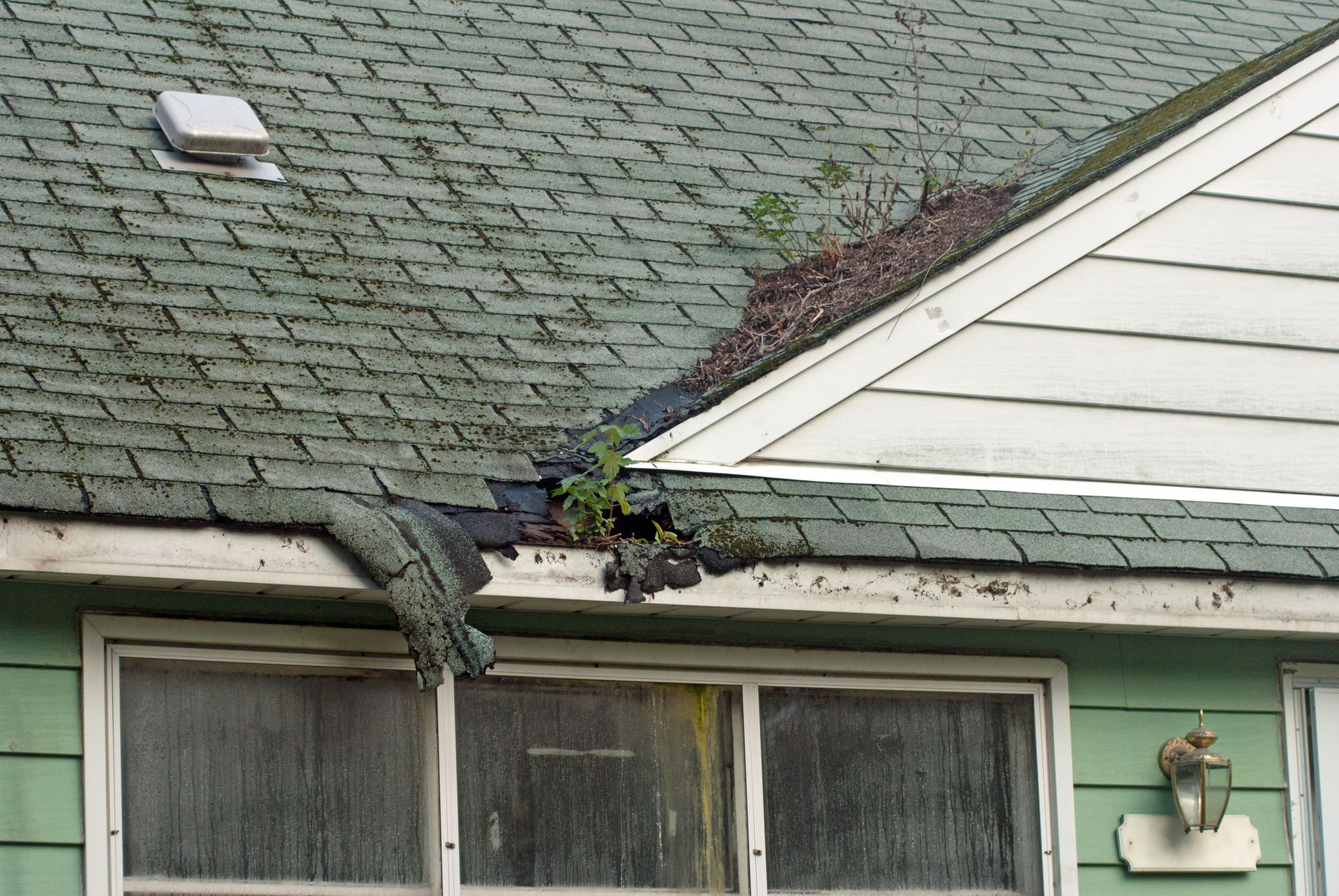
Curling edges, cracked shingles, missing pieces, and bare patches are common signs of aging. Loose shingles can expose the underlying roof deck to water. Moss growth and uneven surfaces may also warrant closer inspection. Addressing localized damage through timely roof repairs can prevent minor defects from spreading.
Maintaining Appearance and Protection
Homeowners can protect shingles by clearing gutters, removing debris, and trimming overhanging branches. Professional inspections identify damage that is difficult to see from the ground. A well-maintained roof improves curb appeal and signals that the property has received consistent care.
4. Inadequate Roof Ventilation
Understanding Proper Ventilation
Adequate attic ventilation regulates heat and moisture by allowing air to circulate. Without sufficient airflow, heat and humidity can accumulate beneath the roof, accelerating shingle deterioration, damaging insulation, and contributing to moisture problems.
Recognizing Poor Airflow
Excessive attic heat, musty odors, damp insulation, and visible mold can indicate ventilation problems. In colder climates, uneven roof temperatures may contribute to ice dams that force water beneath shingles. Persistent moisture issues should receive a professional evaluation.
Preventing Long-Term Damage
Prolonged heat and moisture exposure can cause wooden roof components to warp or rot, potentially requiring expensive structural work. Poor ventilation may also shorten roofing material lifespans and increase energy bills. Correcting airflow problems protects the roof and reduces concerns during home inspections.
Improving Efficiency and Buyer Confidence
Ridge vents, soffit vents, and other ventilation components can improve airflow when properly selected for the home's design. A roofing professional can evaluate the existing system and recommend improvements. Resolving ventilation issues helps reassure buyers about the property's condition and maintenance needs.
5. Gutter and Drainage Problems
Understanding the Role of Gutters
Gutters direct rainwater away from the roof's edges and foundation, reducing moisture damage. Proper drainage helps prevent water from backing up beneath roofing materials or collecting around the home's base. Effective water management protects the roof and the surrounding structure.
Identifying Common Gutter Issues
Leaves and debris can obstruct water flow, while loose brackets, damaged seams, and incorrect slopes interfere with drainage. Rust may also weaken older systems. Overflowing water can damage fascia boards, stain siding, and increase the risk of moisture intrusion.
Preventing Water-Related Deterioration
Regular gutter cleaning and inspections help prevent blockages and identify damaged sections. Gutter guards may reduce debris accumulation, although maintenance remains necessary. If poor drainage has damaged the roof, prompt roof repairs can address localized problems before they spread.
Protecting Property Value Before a Sale
Damaged gutters can make a home appear neglected and raise concerns about hidden water problems. Buyers may factor drainage improvements into their offers, especially when staining or wood deterioration is present. Maintaining gutters and downspouts preserves curb appeal and demonstrates responsible homeownership.
6. Structural Roof Damage
Identifying Causes of Structural Problems
Severe storms, prolonged moisture exposure, aging materials, and pests can damage a roof's supporting structure. Wooden rafters, trusses, and roof decking may weaken when exposed to persistent leaks or rot. Structural problems require careful evaluation because they can affect both safety and resale potential.
Recognizing Critical Warning Signs
A sagging roofline, warped sections, cracked ceilings, or recurring leaks may indicate serious problems. Doors and windows that suddenly become difficult to open can sometimes accompany broader structural movement. Homeowners should seek professional assessment rather than relying on cosmetic fixes.
Evaluating Repair Options
Solutions may include replacing compromised decking, reinforcing supporting components, correcting drainage problems, or addressing moisture sources. A qualified roofer can assess roofing damage, while a structural engineer may be needed for more extensive concerns. Resolving underlying causes helps prevent recurring deterioration and determines whether targeted roof repairs can restore the structure's integrity.
Addressing Safety and Disclosure Concerns
Neglected structural damage can create safety hazards and increase repair expenses. During a property sale, known defects may trigger disclosure obligations under applicable laws. Maintaining inspection reports, invoices, and repair records helps homeowners demonstrate that significant issues have been addressed.
Protecting Your Home's Resale Value
Roof condition influences curb appeal, inspection findings, buyer confidence, and future maintenance costs. Leaks, installation defects, deteriorating shingles, poor ventilation, drainage problems, and structural damage can all make a property less appealing when left unresolved. Regular inspections and timely maintenance help prevent minor concerns from becoming major expenses. Scheduling roof repairs before listing can also help homeowners address visible defects and reduce potential objections during negotiations.
Before selling, homeowners should document completed work and seek professional advice about whether repairs or replacement offers better long-term value. To assess roofing concerns and protect your property's marketability, contact Quality Construction & Roofing to discuss the next steps.