October 14, 2026
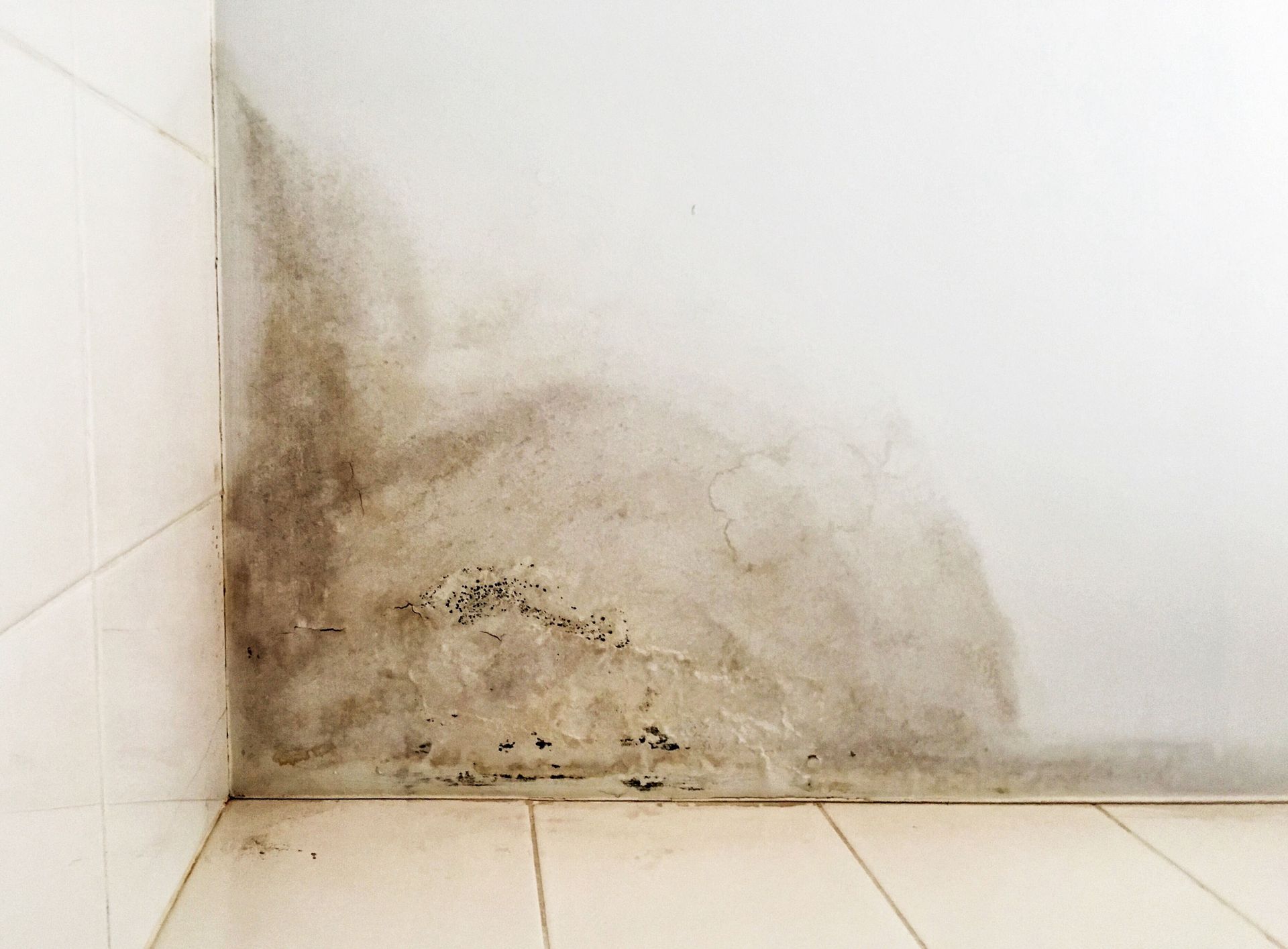
Few things make a homeowner's stomach drop like a steady drip coming from the ceiling. Maybe it started during a nor'easter, or maybe you noticed a brown stain spreading across the bedroom ceiling after a week of rain. Either way, a leaking roof feels urgent, and it should. Water doesn't stay put. It travels along rafters, soaks into insulation, and quietly invites mold into spaces you can't see. The good news is that you're not helpless. What you do in the first few hours and days can limit the damage, protect your insurance claim, and make the eventual repair much simpler.
Here in Rhode Island's East Bay, salt air, gusty winds, and freeze-and-thaw cycles put roofs through a lot, so leaks are more common than most people think. Below walks you through exactly what to do, from the moment you spot the problem to the day your roof is watertight again, so you can handle it calmly and in the right order. Acting fast, and in the right sequence, is often the difference between a minor repair and a major renovation.
Containing the Damage
Your first job is to keep things from getting worse. Move furniture, rugs, and electronics away from the dripping area, and set a bucket or large pot underneath to catch the water. If the ceiling is bulging, water is pooling above it. Carefully poke a small hole in the lowest point of the bulge with a screwdriver, standing to the side, so the water drains in a controlled way instead of bringing down the drywall all at once. Lay towels around the area, and cover anything you can't move with plastic sheeting.
Taking a few minutes to protect your belongings now can save you from replacing them later. If water is near a light fixture or outlet, shut off power to that room at the breaker box and stay away until everything's dry. Safety always comes before saving a ceiling. Whatever you do, don't climb onto a wet or icy roof to investigate. Slippery shingles and steep pitches cause serious falls, and the roof will still be there for a professional to evaluate once the weather clears.
Tracing the Source
Finding where a leak starts can be trickier than you'd expect, because water rarely drips directly below the hole. It can run down a rafter or along the underside of the decking for several feet before it shows up on your ceiling. If it's safe, head to the attic with a flashlight and look for dark stains, damp insulation, or daylight peeking through the boards. Common culprits include cracked or missing shingles, worn flashing around chimneys and vents, clogged gutters that force water back under the shingles, and poorly sealed skylights.
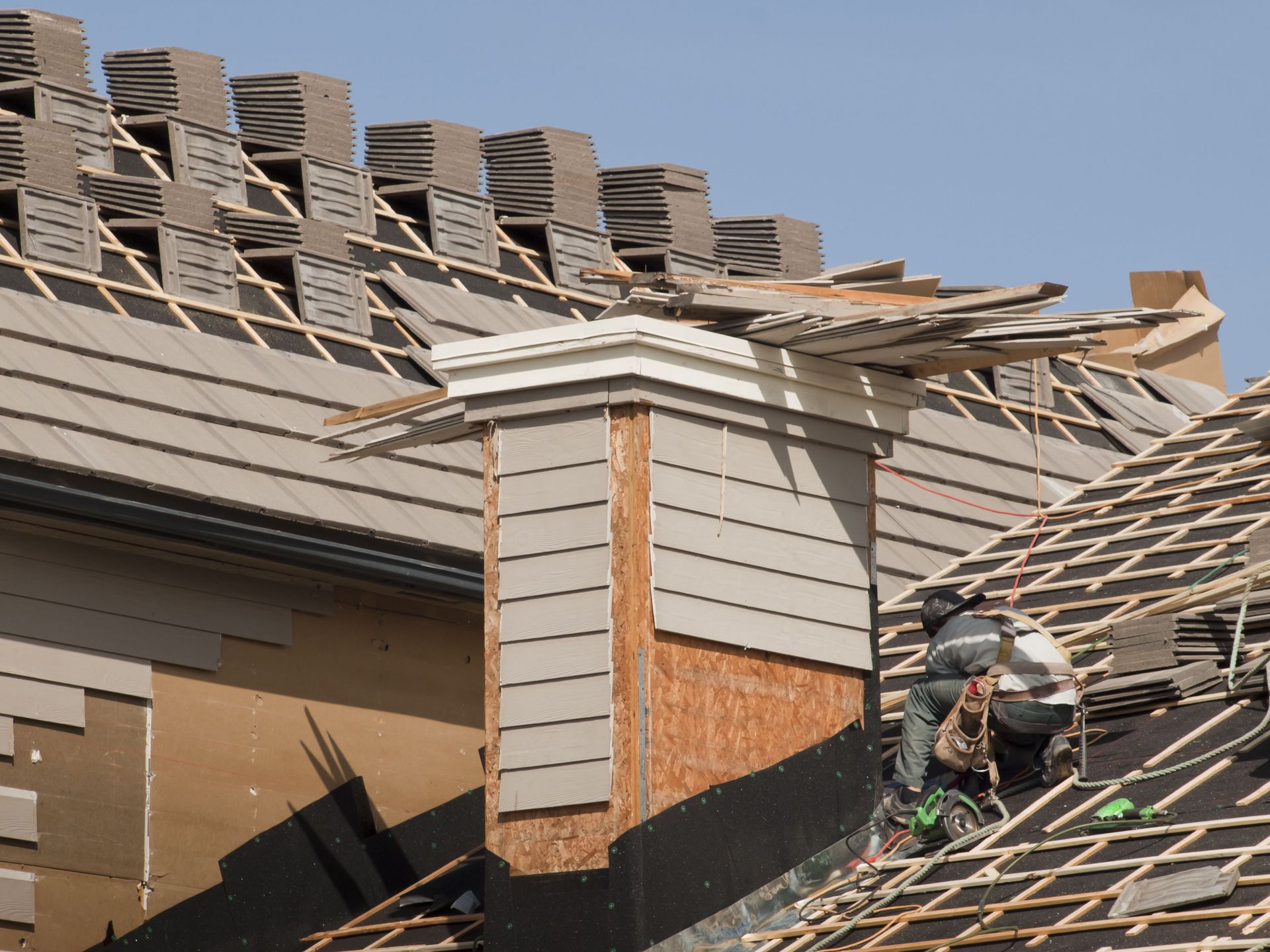
Chimneys deserve special attention, since the joint where masonry meets roofing is a classic weak spot when flashing ages or shifts. From the ground, you can also use binoculars to look for lifted shingles, bare patches, or granules collecting in your gutters. Jot down what you see, but resist the urge to patch things yourself with a tube of caulk. Quick fixes often trap moisture and hide the real problem. A little patience here pays off, since a correct diagnosis means the repair is done once and done right.
Documenting the Problem
Before anything gets repaired, take plenty of photos and video. Capture the stain on the ceiling, the wet insulation, the buckets filling up, and any visible damage outside. Even a few quick phone snapshots are better than relying on memory later. Write down the date and time you first noticed the leak and what the weather was doing. If you can, keep a simple log of how the leak behaves during rain. Does it drip steadily, or only when the wind picks up? That detail helps pinpoint the cause.
This record matters when you contact your homeowner's insurance company, since adjusters want evidence of when the damage happened and how severe it was. Keep receipts for emergency supplies, too, like tarps or plastic sheeting, because they may be reimbursable. Plenty of homeowners find insurance paperwork overwhelming, so it helps to work with a team that understands the process and can provide clear written estimates. Good documentation protects you, speeds up your claim, and gives whoever inspects your roof a head start.
Weighing Repair Against Replacement
Not every leak means a new roof, but some do. A single cracked shingle or a failed bit of flashing is usually a quick, affordable repair. On the other hand, if your roof is pushing 20 to 25 years old, you've had repeated leaks, or shingles are curling and shedding granules, from our experience, patching might only buy you a little time. Age, climate, and the number of previous patches all factor into the decision. It's worth knowing just how often leaks reduce a roof's lifespan.
According to RubyHome.com, about one-third of homeowners who replace their roofs do so because of leaking. That's a big share, and it shows how often a persistent leak turns out to be a symptom of a roof that's simply reached the end of its useful life. An honest inspection answers the question. You'll want to know what caused the damage, how widespread it is, and how much life the rest of the roof has left. Sometimes a smart repair is plenty, and sometimes a fresh roof with quality shingles and proper ventilation is the better long-term investment for your home.
Choosing the Right Help
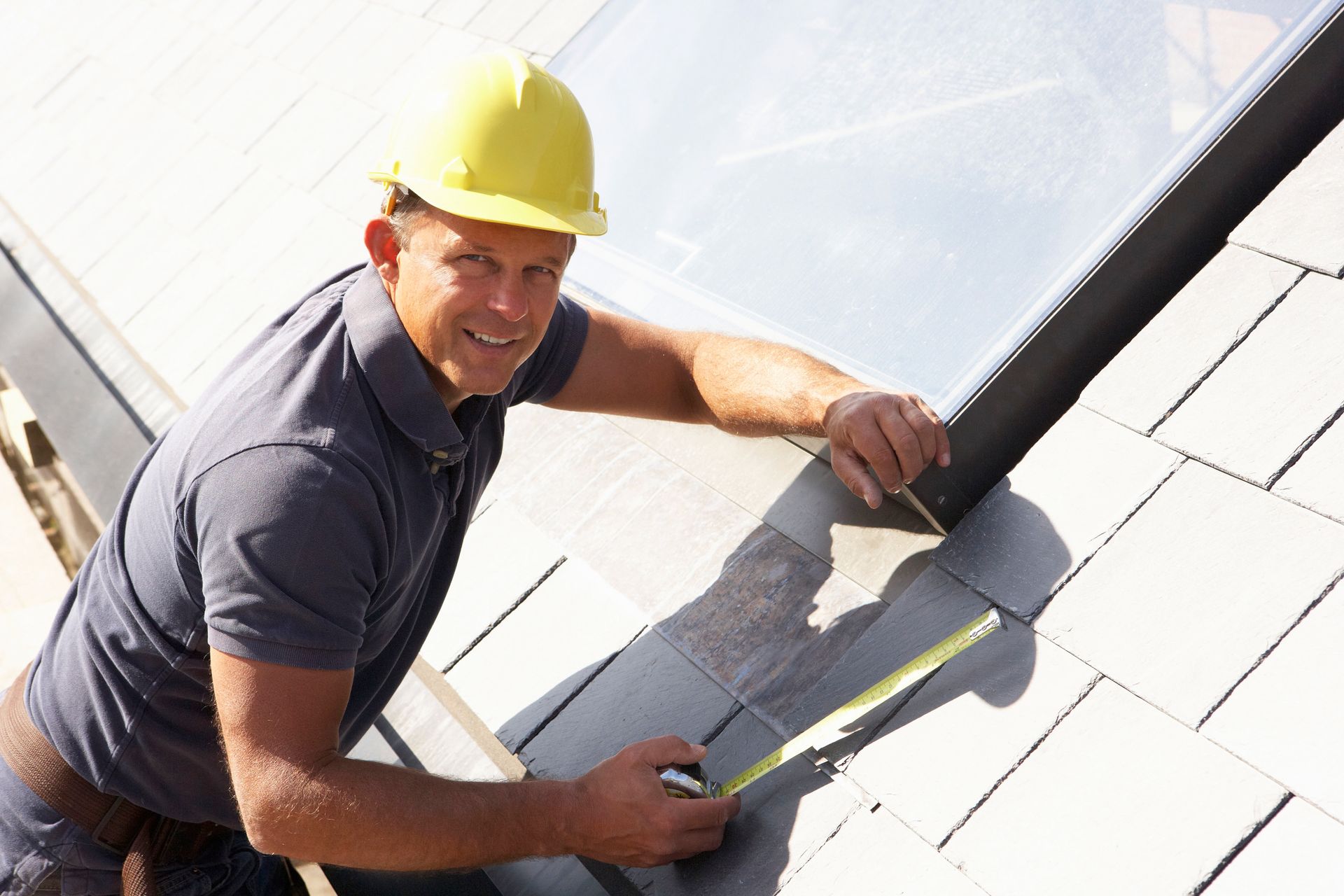
Once you know what you're dealing with, call a licensed and insured roofing contractor as soon as you can, and don't wait for the next storm. Look for a company that offers emergency services, because a leak that appears on a stormy night won't always wait for business hours, and a quick tarp can keep your home dry until permanent work begins. A reliable roofing contractor will walk the property, inspect the attic, check flashing, vents, and skylights, and explain what they found.
They'll also give you a written estimate without any pressure. Ask about workmanship warranties and manufacturer certifications, and read reviews from neighbors in your area. Don't hesitate to ask questions, because a good company will welcome them. Hiring a local roofing contractor matters in a coastal region like ours, since they understand what Atlantic winds and salt air do to roofing materials and which products hold up best.
Moving Forward With Confidence
A leaking roof is stressful, but it doesn't have to turn into a disaster. Contain the water, stay off the roof, find out where the problem started, and document everything before repairs begin. Then decide whether a targeted fix or a full replacement makes the most sense, and bring in a trusted professional who'll give you straight answers. Acting quickly is the biggest factor in keeping a small leak from becoming a costly repair involving rotted decking, ruined insulation, and mold.
Even if the drip has stopped, don't assume the problem has gone away, because water damage keeps spreading long after the rain ends. A prompt inspection gives you peace of mind and a clear plan for protecting what's likely your biggest investment. Remember that you don't have to figure it all out alone. If your roof is leaking right now, call Quality Construction & Roofing today to schedule your free estimate and get your home dry again.