June 25, 2026
When you realize your home needs some overhead attention, you might wonder what happens after you pick up the phone. A professional evaluation is a highly structured process that takes the guesswork out of home maintenance. By understanding how a professional looks at your top defense against the weather, you can feel completely comfortable when the inspection begins. Gathering this information early helps make the entire process smooth and transparent for everyone involved.
Inspecting the Exterior Surface
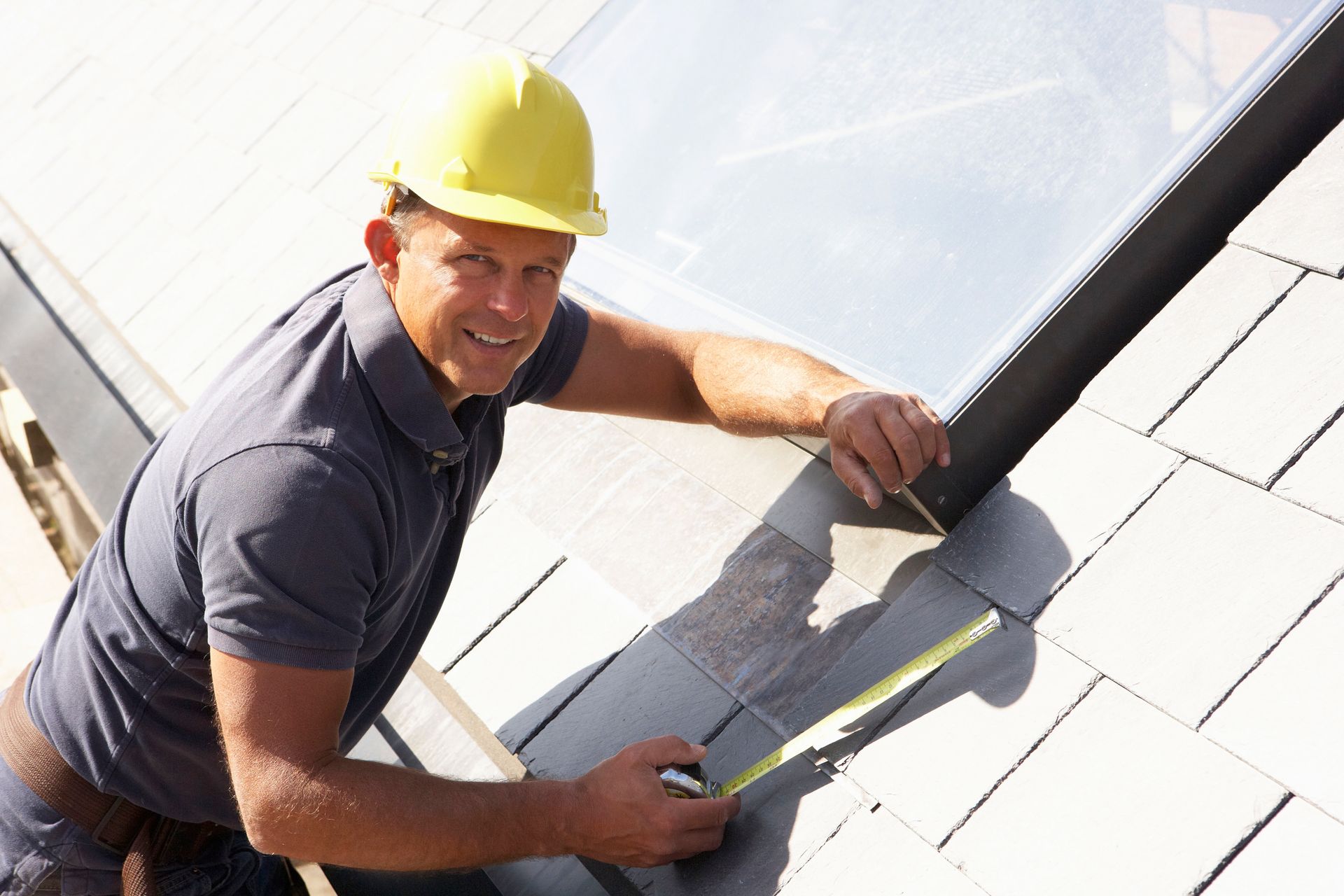
The first step always involves a physical look at the outermost layer of your home. A professional roofing contractor scales the ladder to look closely at individual shingles or tiles. They look for signs of cracking, curling, or bald spots where the protective granules have washed away over time. Missing pieces can leave the lower layers vulnerable to sudden weather changes. Shingle health is the primary indicator of how well the system protects your property.
During this phase, minor issues like loose flashing around chimneys or vents get noted for repair. The specialist checks every single valley and ridge because these areas experience the highest volume of water runoff during heavy rainstorms. These specific channels require extra care because they direct large pools of water straight into your gutter system. Catching these surface flaws early helps prevent widespread issues down the road. These exterior details give a clear picture of the wear and tear your home experiences.
According to This Old House, the measurement of a roof is generally calculated in squares, which helps contractors know the number of shingles required for every 100 square feet. This math happens right on the surface, so the team knows exactly how much product to bring to the job site. Once the surface is mapped, the evaluation moves deeper. Accurate square footage calculations prevent delays once the physical work begins on your home.
Evaluating the Underlayment Condition
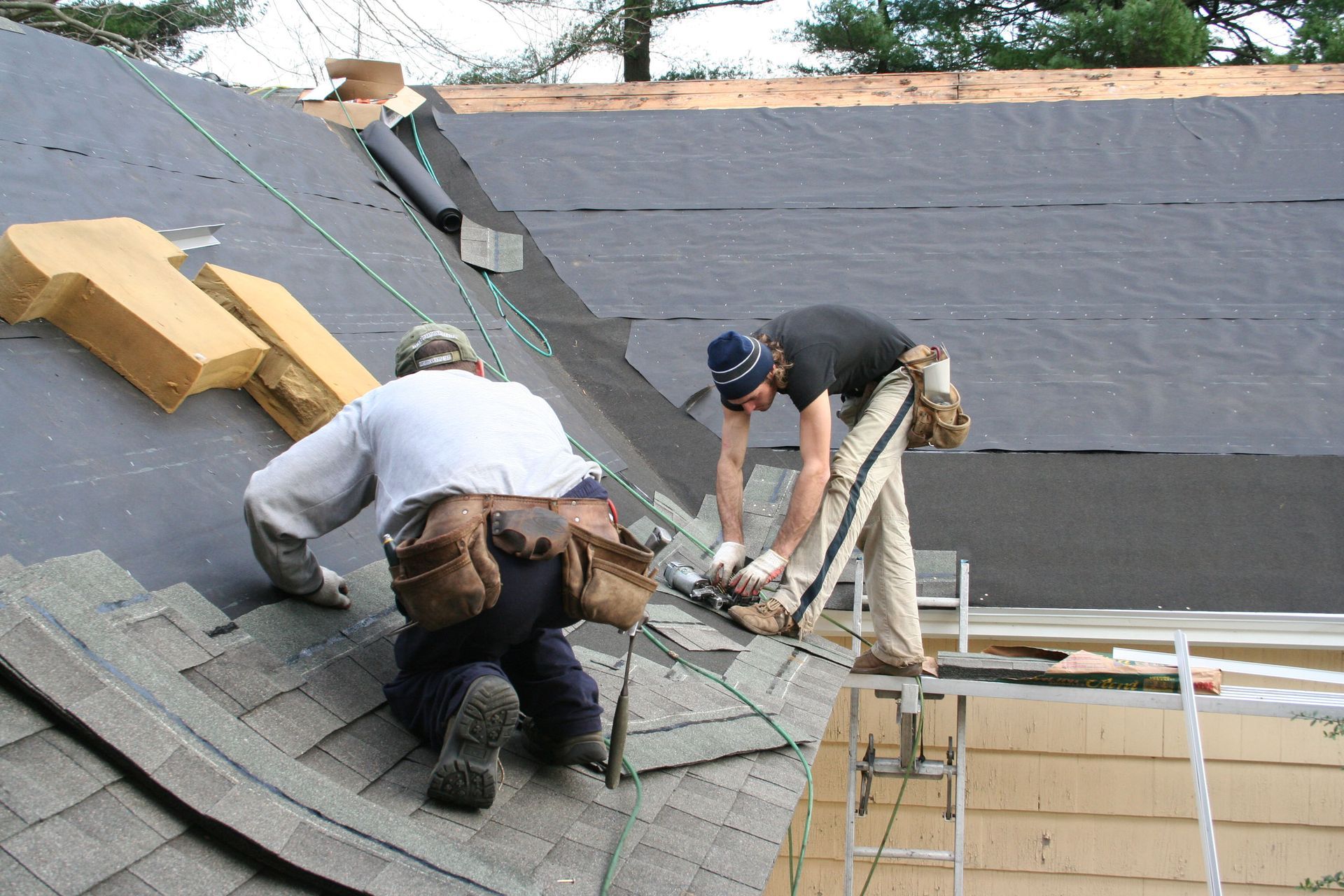
Beneath the visible shingles lies a hidden layer of protection that keeps water from seeping into your living space. A roofing contractor pays close attention to this barrier during the assessment process. If water manages to get past the main shingles, the underlayment serves as the second line of defense for your household. This extra shield is vital for keeping your ceilings dry. Evaluating this layer tells the team if a leak has penetrated the main outer surface.
To check this area, professionals often look at edge details or look for spongy spots while walking across the deck. If the underlayment is brittle, torn, or rotted, it cannot do its job during the next big storm. Decidedly weak areas in this fabric must be identified before any new materials are ordered. Identifying these hidden failures prevents a simple shingle replacement from failing prematurely. It pays to be thorough when assessing this middle layer of defense.
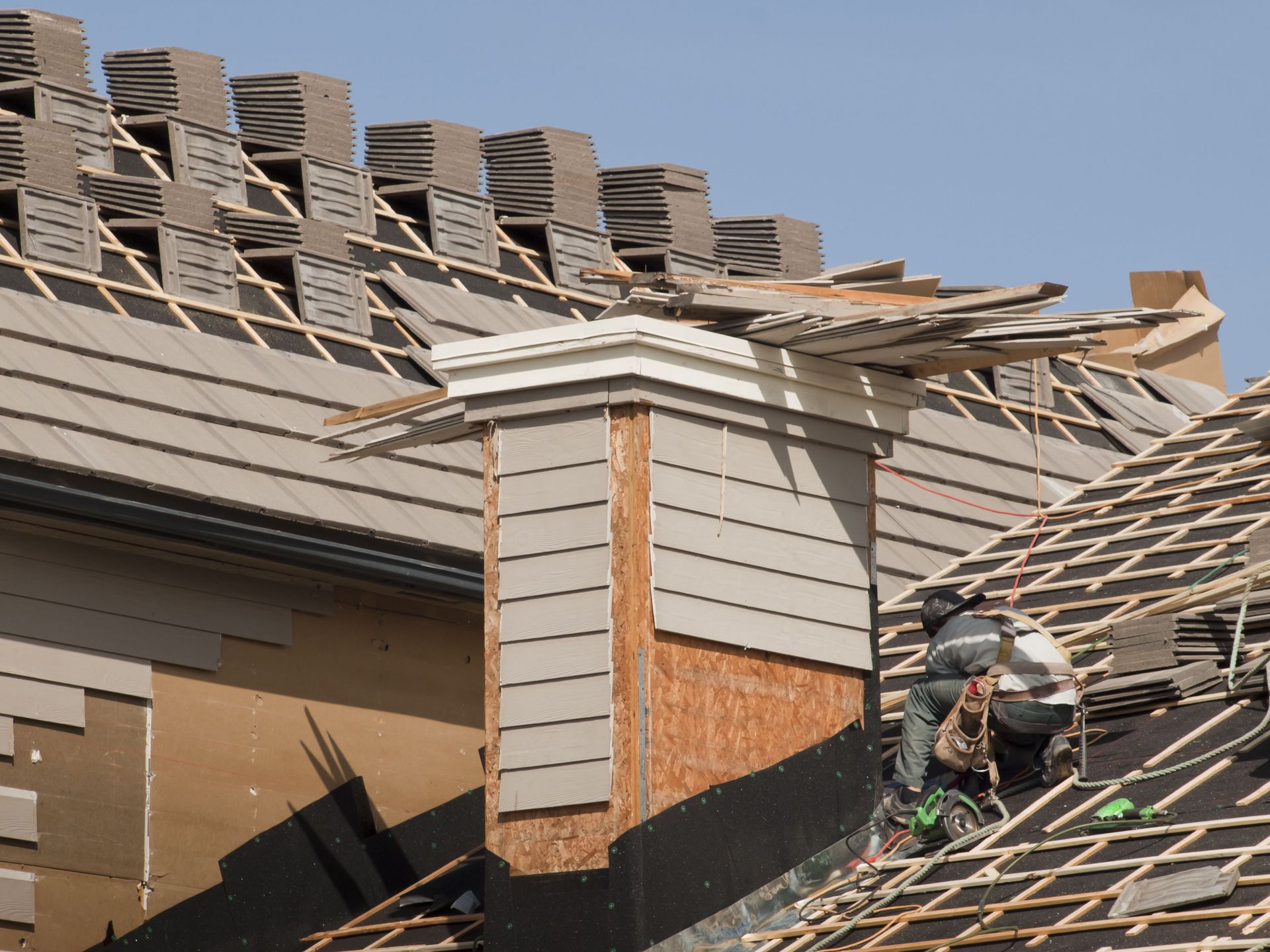
When this water-resistant barrier shows severe degradation, the entire deck must be stripped down to bare wood. A clear picture of this material allows the specialist to build an accurate plan for your home. Knowing the state of this hidden layer prevents unpleasant surprises mid-project. A clean start with fresh underlayment provides a much stronger foundation for the project.
Analyzing the Decking Integrity
The wooden boards that form the actual shape of your roof are known as the decking or sheathing. A roofing contractor must confirm that this wood is structurally sound enough to hold the weight of new materials and workers. They walk the entire grid to feel for sagging areas or soft spots underfoot. Solid decking provides the strength required for a stable installation. If this wood base fails, the rest of the installation cannot remain stable.
If moisture compromises the wood, the decking can rot, warp, or split apart entirely. Fasteners will not hold securely in compromised wood, which makes replacing damaged boards absolutely non-negotiable for a lasting result. Experienced crews always check the spacing between these boards to check for standard expansion gaps. This part of the process determines whether you need a simple overlay or a total tear-off. New sheets of plywood are often added to reinforce weak zones.
A solid deck means the new materials will lie flat and attach perfectly for years to come. If large sections of wood are soft, the estimate will include the necessary plywood sheets to make the framework solid again. This structural check forms the backbone of the entire project scope. Taking care of the skeleton of the structure prevents future sagging.
Examining the Attic Ventilation
A great inspection does not just happen on the outside of your house. An experienced roofing contractor will head inside to check your attic space for proper airflow and temperature regulation. Heat and moisture can trap themselves in your attic, which destroys shingles from the inside out. This indoor step is often where the root causes of major problems are discovered. Examining the attic climate helps identify why previous materials may have worn out ahead of schedule.
The specialist checks the intake vents at the eaves and the exhaust vents along the ridge line. Without proper air movement, your attic becomes a sauna in the summer and a breeding ground for ice dams in the winter. Workers look for any blocked soffit vents that might be choking off the fresh air intake. Balancing this airflow extends the lifespan of your new materials significantly. Proper circulation keeps the temperature of your roof closely matched with the outdoor air.
They also look up at the underside of the roof deck from inside the attic to check for dark water stains or mold growth. These visual clues tell a story about leaks that might not be visible from the outside yet. Fixing ventilation issues is a key part of an accurate project outline. A healthy attic means a much healthier overall home environment.
Reviewing the Perimeter Drainage
The final piece of the puzzle involves checking how water leaves the top of your house and moves away from the foundation. A roofing contractor examines the gutters, downspouts, and drip edges to see if they can handle heavy downpours. Clogged or sagging gutters cause water to back up under the bottom shingles. Managing this runoff effectively protects your siding as well. A complete review looks at how well the house sheds water away from vital structures.
The team checks the alignment of the gutters to verify that water flows smoothly toward the downspouts without pooling in the middle. They also inspect the fascia boards behind the gutters for any signs of water damage or soft rot. Missing or damaged splash blocks at the bottom of the downspouts will also be evaluated during this sweep. If these perimeter elements are failing, they must be addressed in the project plan. A broken gutter can undermine even the best shingle installation.
Proper drainage keeps the lower edges of your roof dry and prevents water from pooling around your foundation walls. By looking at how the entire water management system functions together, the team creates a complete picture of what your home truly needs. This final check wraps up the comprehensive physical evaluation. You get a complete overview of how water behaves across the entire property.
A thorough evaluation covers everything from individual surface shingles down to the attic ventilation systems inside the home. This detailed process allows a roofing contractor to build a precise plan tailored to your specific structural needs. With a clear map of the work required, your home stays safe, dry, and comfortable through every season. Reach out to the dedicated team at Quality Construction & Roofing today to schedule your comprehensive home evaluation and keep your property perfectly protected.